Features
Part of How to build a home coffee budget around cost per cup
Cheap habits stretch a home brewing budget further without hurting the cup
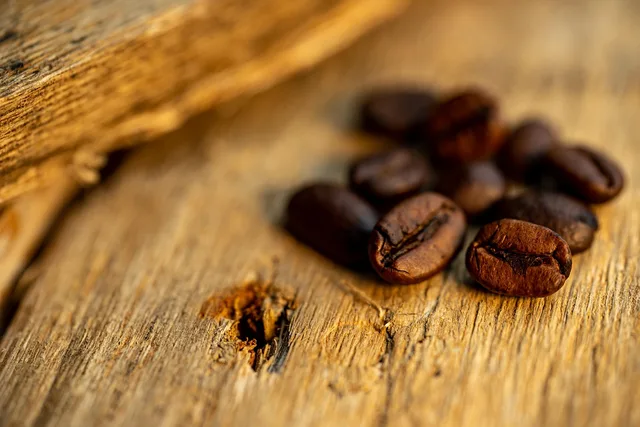
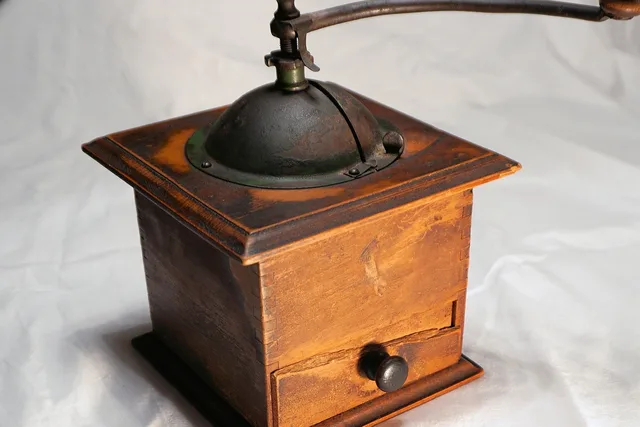
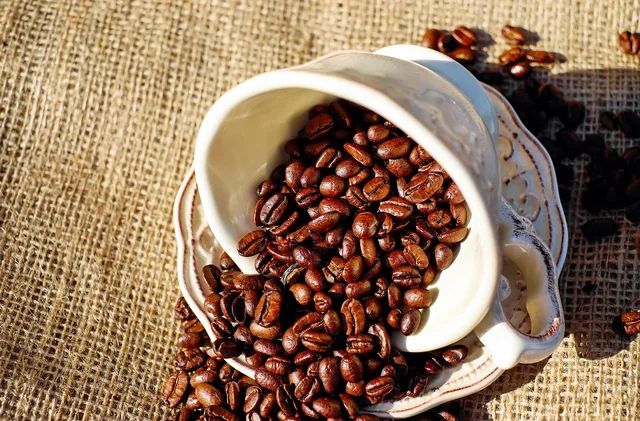
Five cheap habits that improve home coffee: batch immersion brewing, dosing down, roast choice, reusing the grounds, and buying smaller bags.
Spending less on coffee usually means drinking worse coffee. It does not have to. These five habits cost nothing or close to it, and each one is doing something specific rather than just economizing.
What to take away
- Roast level drives the flavor of an immersion brew more than temperature or time does.
- Room temperature immersion reaches a good result in hours, not a full day.
- Dosing accurately usually means dosing down, which is a direct saving.
- Spent grounds have uses, and one of them is genuinely practical.
One: batch an immersion brew
Immersion brewing is the cheapest way to make several good cups at once, and its timing is more forgiving than pour over.
Cold brew in four hours
- Start1 7 grounds to water in a jar
- Four hoursRoom temperature, 15-20 C
- ThenStrain and refrigerate
One study on the valorization of ground coffee found cold brew could be extracted in about four hours at 15 to 20 degrees Celsius at roughly a 1:7 ratio of grounds to water. That is faster than the usual twenty-four hours. That ratio gave the best aroma and body, and particle size showed no significant effect.
Practically: a jar, coffee, room temperature water, four hours on the counter, then strain and refrigerate. No equipment, and it makes tomorrow's coffee while you sleep tonight.
Two: pick the roast deliberately, because it dominates
If you control only one variable, control roast level. A descriptive analysis of full immersion brews tested roast levels and three brewing temperatures.
What shapes the cup most
- Roast levelgreatest impact
- Brewing temperaturesecond
- Brew timethird
It found roast level had the greatest impact on the sensory profile, followed by temperature, then brew time, with a wide range of profiles from a single green blend. Perceived sweetness was negatively correlated with total dissolved solids.
That last detail is useful for a small budget: a weaker brew can read as sweeter. Dosing down is not automatically a downgrade.
Three: weigh, then dose down a gram
Most people scoop, and most scooping over-doses, so weigh your normal dose once. Brew a week at one gram less and see if you notice.
If not, you cut roughly five percent off your annual coffee bill without changing anything else. Serving smaller does the same arithmetic from the other end, because a 150 ml cup stretches a bag without touching the ratio.
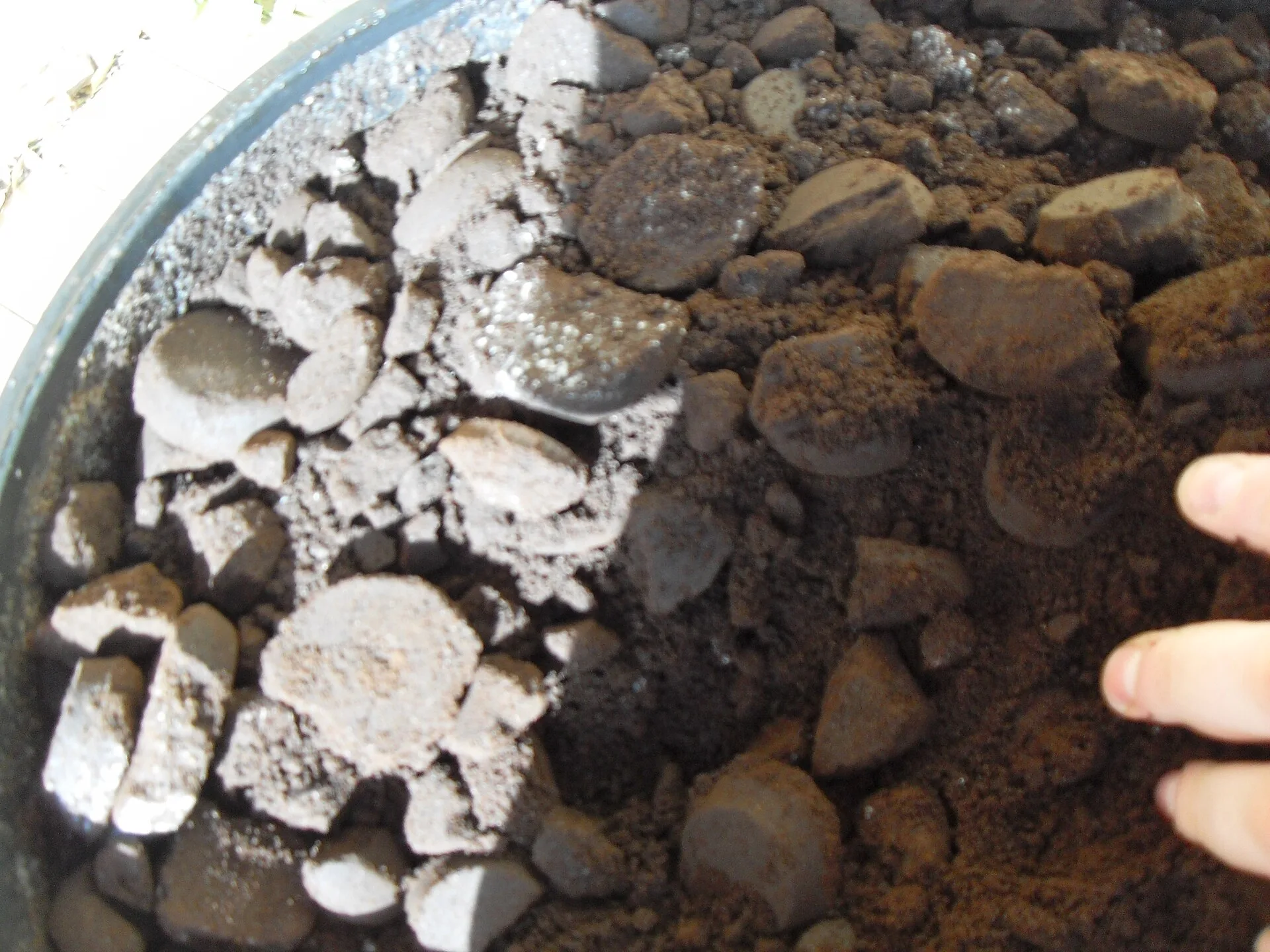
Four: use the grounds
Spent grounds are not waste unless you treat them as waste.
- Compost, if you have anywhere to put it.
- Scouring a pan, where the grit does real work.
- Deodorizing a refrigerator or a jar that held something strong.
- Fire starters, which the same valorization work investigated as a route for grounds that would otherwise go to landfill.
Five: buy smaller bags more often
This one feels like it costs more and does not. A kilo bag priced attractively goes stale before you finish it. The final third is drunk without pleasure or thrown away.
Two 250 gram bags drunk fresh cost more per gram and less per good cup. A shop makes that visible by keeping one bag size per tier so the price comparison is legible.
Cost
- Batch immersion
- None
- Dose down 1 g
- None
- Smaller bags
- Slightly more per gram
- Reuse grounds
- None
Saving
- Batch immersion
- Cuts wasted single brews
- Dose down 1 g
- About 5 percent of beans
- Smaller bags
- Removes the stale third
- Reuse grounds
- Small, real
None of these require buying anything, which is the test a budget habit should pass. The one purchase worth making is a scale, and the reason is on display in any honest cost per cup calculation. Whether dosing down actually costs you anything is something you can settle in a week of side by side cups.