Guides
Home coffee brewing in a compact kitchen: four variables and the order to adjust them
A compact kitchen guide to home coffee brewing: lock down ratio first, then grind, water and time, with a starting recipe and answers on scales and water.
Most home brewing advice hands you a recipe without saying which part to change when the cup is wrong. This guide names the four things you control, puts them in the order to adjust them, and gives a starting point for a kitchen with one outlet and a foot of counter.
What to take away
- Brew ratio is the number to lock down first. Everything else is adjusted against it.
- Water temperature matters far less than the internet insists, once strength and extraction are steady.
- Grind size is your main lever for a cup that tastes thin or harsh, and the one most people never touch.
- Dark roasts are not automatically weaker in caffeine, but they give up dissolved solids more grudgingly.
The four variables, in order
Every method reduces to the same four settings: how much coffee to how much water, how finely it is ground, how hot the water is, and how long the two stay in contact. Change one at a time. Change grind and ratio together and a better cup teaches you nothing repeatable.
Four variables, in order
- Ratio60 g per liter
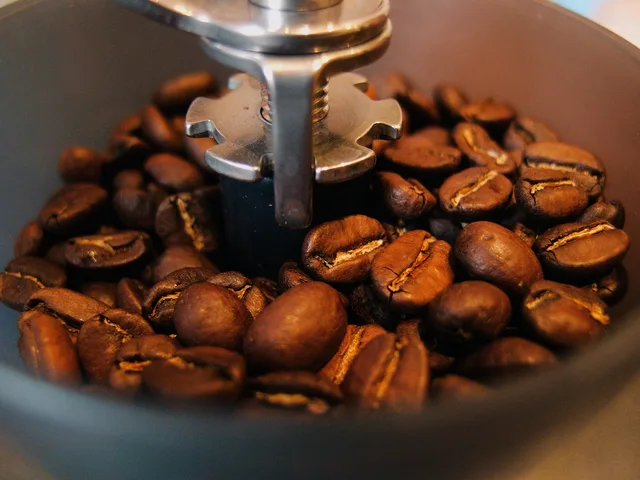
- Grindmedium, like table salt
- Waterjust off the boil
- Time3 to 4 minutes
Start with ratio, because it sets the ceiling. A weak brew made from too little coffee cannot be rescued by a finer grind. It can only be made bitter as well as weak.
| Variable | Starting point | Change it when |
|---|---|---|
| Ratio | 60 g per liter | The cup is thin or heavy |
| Grind | Medium, like table salt | The cup is sour, or harsh |
| Water | Just off the boil | Almost never |
| Time | 3 to 4 minutes | Drawdown drifts |
Why temperature is oversold
Brewers sold here are certified against a minimum brew temperature, a number repeated as if a degree either way ruins the cup.
Temperature barely matters
87–93°C
Trained panelists found little difference
Off-boil water lands in this band
Spend attention on the grinder instead
A sensory study held strength and extraction constant, varying brew temperature between 87 and 93 degrees Celsius. It found little difference in the descriptive profile trained panelists could detect. Water off the boil poured into a room-temperature brewer lands in that band anyway.
Spend the attention on your grinder instead. The payoff is testable in two cups, because a grind change shows up fastest in short-contact methods.
Ratio is the parameter with real authority
For immersion methods, a press or a steeping brewer, the case is stronger still. Research on immersion brewing equilibrium shows extraction yield settles near 21 percent across a wide span of brew ratios. Cup strength tracks the ratio almost inversely.
Ratio sets the strength
21%
Extraction yield settles near this across wide ratio span
Cup strength tracks ratio almost inversely
Use less coffee if press is muddy
You choose how strong the drink is, not how much comes out of the grounds. If your press coffee is muddy, use less coffee. Steeping longer will not fix it.
Roast level and what it costs you
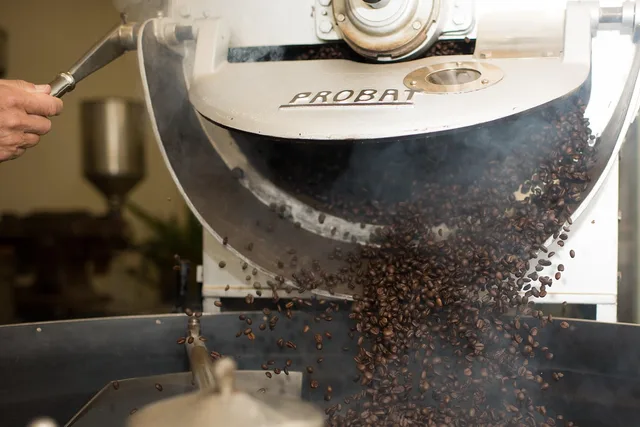
Roast changes the bean physically. Darker roasting drives off mass and opens the internal structure, so grounds behave differently under water.
Past roughly 12 to 14 percent roasting mass loss, extraction yields fall under identical conditions. Caffeine in the cup drops for the darkest batches. A dark roast usually wants a coarser grind or longer contact than last week's light roast.
Switching to dark roast to cut caffeine is weak strategy: the difference is small next to what dose and ratio do. Roast level is still worth choosing deliberately, and a roaster who describes theirs in plain words is giving you something you can act on.
A starting recipe worth ruining
Weigh 20 grams coffee, grind medium, pour 330 grams water in stages over three minutes, drink, and write one word. Sour and thin means grind finer; drying and harsh means coarser.
Repeat four days before changing anything else. Once you hit the same cup twice, run a side by side against a second coffee and see what your palate rewards.
Only then does gear spending make sense, and there is a sane way to budget for it.
Common questions
Do I need a scale?
Is bottled water better?
How long do beans last?
Should I preheat the brewer?
In this guide
- Home coffee brewing: what spending more changes in the cupWhat spending more on home coffee brewing changes in the cup and in the routine, tier by tier, and why beans rather than equipment are the cost that recurs.
- Stocking home coffee brewing gear: roast dates, storage, and staff answersWhat a shop needs to get right when stocking home brewing gear and beans: roast dates, storage conditions, staff answers, and honest shelf placement.
- Reading home coffee brewing trends with a cool headWhich shifts in home coffee are grounded in published evidence, which are marketing, and what a home brewer should actually do about each of them.
- Can you dress up a home coffee brewing routine without turning it into dessert?Five ways to serve coffee at home that add something real, including milk, sweeteners and temperature, without turning the drink into dessert.
- How to taste and compare home coffee brewing side by side, explained properlyA repeatable way to compare two coffees or two brew settings in a home kitchen: what to control, what to write down, and how to avoid fooling yourself.