Reviews
Why do unreported conditions ruin most home coffee comparisons?
A recording method for home coffee testing: what to write down, why unreported conditions ruin comparisons, and how to read your own notes honestly.

Desk
Ratios, grind and technique for pour-over, espresso and immersion.
Reviews
A recording method for home coffee testing: what to write down, why unreported conditions ruin comparisons, and how to read your own notes honestly.
Features
Five further experiments once the basics are settled: decaf swaps, timing against symptoms, blend building, brewing for someone else, and a month off.
Industry
Home coffee case studies trends rarely name a study, so here are the two research directions that matter and the three habits worth borrowing.
Costs
Four pointers for judging independent coffee brands: roast dates, equipment fit, subscription value, and how to test a bag before you commit.
Industry
Five structured experiments for a home brewer, each isolating one variable, with the reason it is worth doing and what a result would actually mean.
Reviews
Why gear subscriptions suit small kitchens badly, how to judge one anyway, and how to tell a genuine improvement from a laboratory result you cannot buy.
Industry
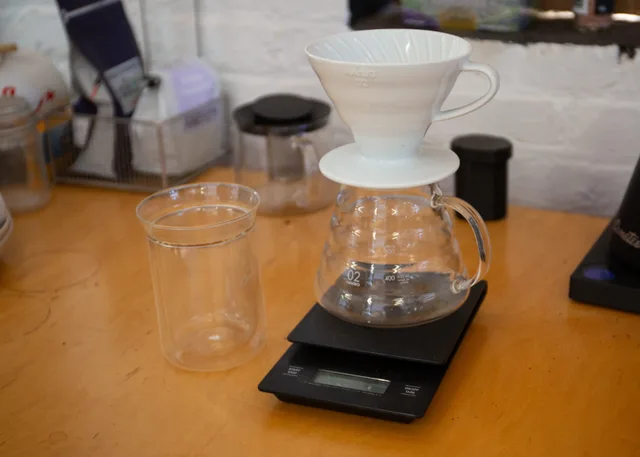
Making a single pour-over cup without a scale? Use this guide to find how much coffee to use per cup, with tablespoon counts for 8, 10, and 12 oz mugs.
Reviews
How to read the labels on coffee gear: capacity claims, materials and food-grade wording, and the health claims that do not survive checking.
Reviews
What to keep alongside a small coffee setup: how much caffeine a cup carries, what sugar does to the habit, and the few extras worth the shelf space.
Reviews
Seven compact coffee brewers and grinders for a one-shelf kitchen get tested, with the weak point of each machine and the countertop space it suits.
Industry
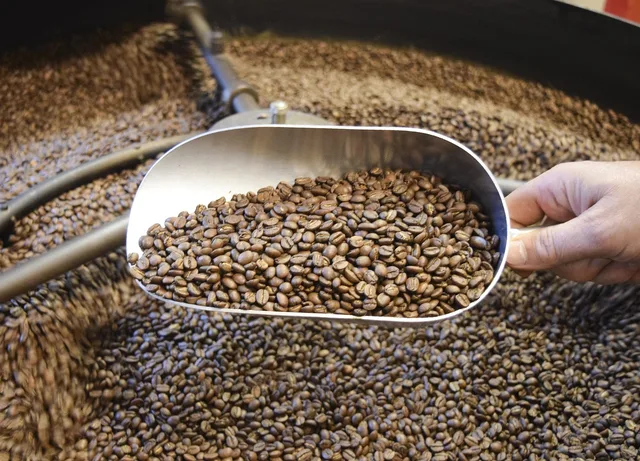
See how independent coffee roasting moves from green beans to a sealed bag, and how roast choices, batch variation and storage can shape a home brew.
Features
Calgary pour-over brewing runs on lower boiling point and dry air, so grind, water and static need local tweaks versus coastal city recipes.
Guides
Prairie water hardness coffee varies between Saskatoon and Winnipeg, so here is what each city water report shows and which filter to start with.
Guides
A guide to tap water for home coffee brewing in Canada: regional starting points, filtration, mineral adjustment, and practical ways to test your supply.
Reviews
How to judge an independent coffee roaster: which claims are verifiable, how roast degree is actually measured, and what adulteration testing can detect.
Industry
How independent coffee brands companies shape a bag: processing, sourcing, roast scale, freshness, and label information explain what reaches your cup.
Reviews
A home coffee diagnosis guide: four taste categories for under-extraction, over-extraction, stale beans and roast faults, plus a routine to name what went wrong.
Guides
The pour over ratio for one cup lands near 1:16 by weight, so a 12-oz mug takes roughly 22 g of coffee and 355 g of water, a reliable starting point.
Features
Coffee brewing ideas worth trying when a cup goes wrong: practical fixes for a disappointing cup, bypass dilution, adding a paper filter, resting fresh coffee.
Industry
New brewing technologies aimed at removing the errors that slow coffee down, what they actually achieve, and which of them will reach a home kitchen.
Costs
A ranked look at home coffee mistakes: over-dosing, ruined single cups and batches, equipment bought for the wrong method, and how long brewed coffee keeps.
Maintenance
The mistakes that actually spoil home coffee, ranked by how much damage they do: water, dose, grind, staleness, and the ones that are harmless.
Industry
How to read coffee bag origin stories: which details name real processing choices, which are atmosphere, and three questions to ask a roaster.
Reviews
How to run a pour over flight that isolates one variable: choosing the axis, holding the brew constant, and using roast color as a rough check.
Reviews
Pour over methods reviews are outside this guide; learn to read origin, processing, and drying details on a coffee subscription card.
Reviews
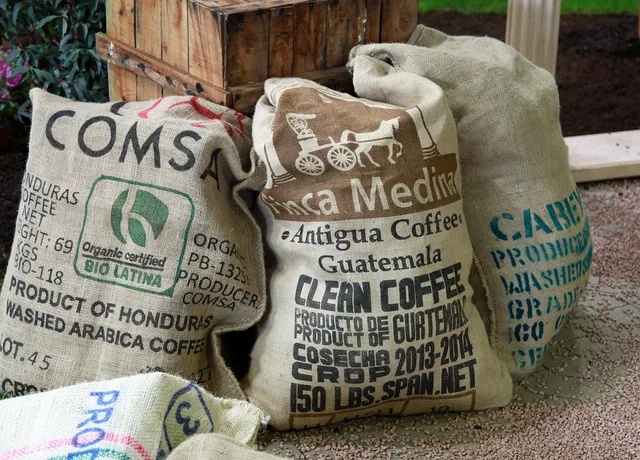
How to read a coffee bag when you brew pour over: which words predict the cup, which shift your expectations, and why roast profile matters most.
Reviews
What to eat and drink around a pour over, how caffeine sensitivity shapes preference, and how many cups a day the serving sizes actually allow.
Rules
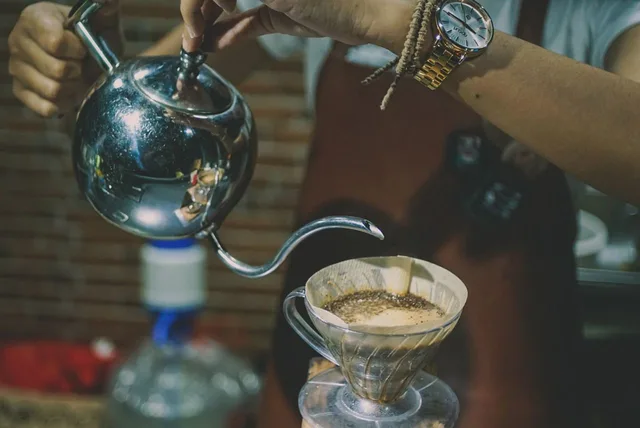
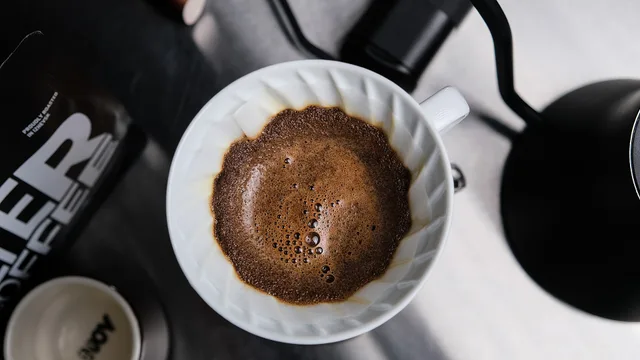
A stage by stage account of a pour over brew, from the bloom to the drawdown, and what you can actually change at each point in the process.
Reviews
How to taste the difference a grind change makes: what to hold still, which methods show the difference clearly, and how to read the result.
Guides
A compact kitchen guide to home coffee brewing: lock down ratio first, then grind, water and time, with a starting recipe and answers on scales and water.
Guides
How to plan a coffee station in a small kitchen: choosing the surface, sequencing the movements, handling water and grounds, and keeping it clean.
Costs
A cost per cup formula you fill in yourself, the recurring coffee line that dominates the budget, gear amortization, and what the farm share depends on.
Reviews
How to store coffee at a home station: what oxidation actually does to aroma, why humidity matters more than people think, and what containers earn their place.
Features
Five cheap habits that improve home coffee: batch immersion brewing, dosing down, roast choice, reusing the grounds, and buying smaller bags.
Features
Five ways to serve coffee at home that add something real, including milk, sweeteners and temperature, without turning the drink into dessert.
Industry
Home brewing costs trends start upstream, where climate pressure on coffee regions bites. What a compact kitchen controls: smaller buys, airtight storage.
Industry
Which shifts in home coffee are grounded in published evidence, which are marketing, and what a home brewer should actually do about each of them.
Industry
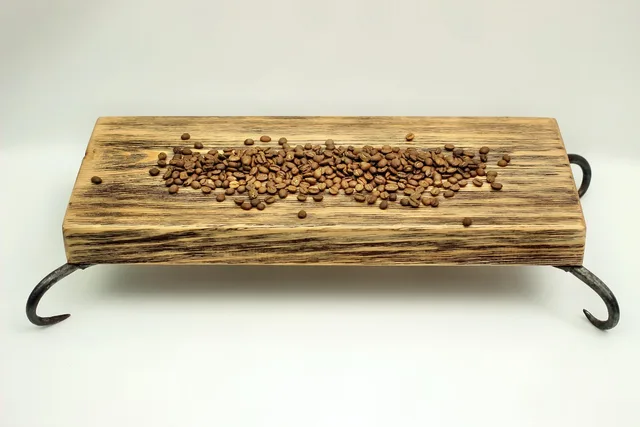
What small workshops actually do to make coffee station stands and trays, why wood moisture governs the result, and how to judge a piece before buying.
Costs
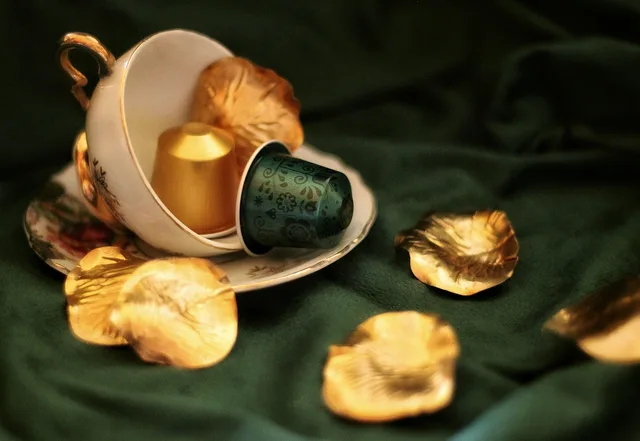
Capsules and bulk beans sit at opposite ends of the home brewing price ladder, and the cost per cup gap between these formats is wider than most drinkers guess.
Costs
What spending more on home coffee brewing changes in the cup and in the routine, tier by tier, and why beans rather than equipment are the cost that recurs.
Industry
Compact coffee grinders for a shop and for a home shelf are different problems: which commercial espresso constraints transfer to a kitchen, and which do not.
Guides
How to design a three-cup coffee flight at home: choosing one axis, holding every other variable still, and reading the differences you find.
Reviews
Home brewing costs break down into five parts, including beans, grinder, brewer, water and the small consumables that quietly add up every month.
Reviews
A repeatable way to compare two coffees or two brew settings in a home kitchen: what to control, what to write down, and how to avoid fooling yourself.
Reviews
What to serve alongside coffee at a small home bar, how plant milks change the drink, and the food safety rules that matter when things sit out.
Industry
A plain guide to judging coffee roasters: what to check on their site, what roast method implies, why local freshness matters, and one cheap test before subscribing.
Reviews
How to evaluate a coffee subscription without a product roundup: what to ask about roast dates, quantity, variety, and when to cancel or pause it.
Reviews
Stocking a small coffee bar? How to read a coffee bag's labels: which claims are regulated, which are voluntary, and why some roasters skip the nutrition panel.
Reviews
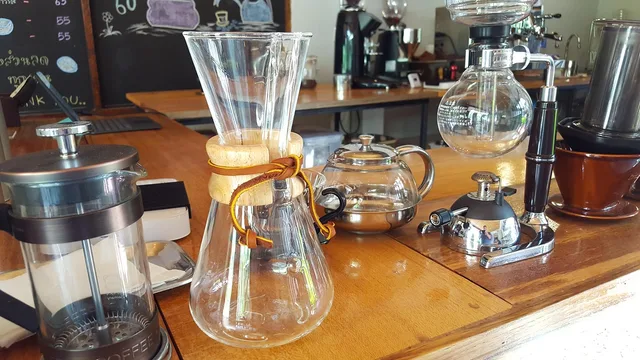
How to judge the parts of a coffee station before buying: grinder retention and static, kettle shape, filter fit, water treatment, and what to skip.
Reviews
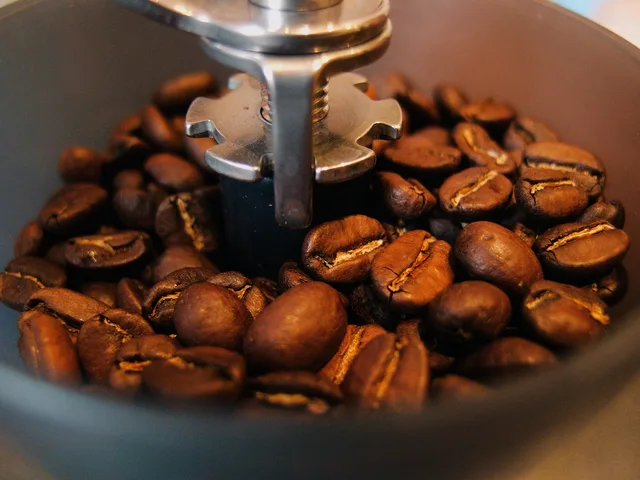
The checks before buying a coffee grinder: adjustment resolution, retention, repeatability, stability, noise, serviceability, and claims that fail testing.
Reviews
Hand or electric, hopper or single dose: how each compact grinder type performs at filter and espresso, and which one fits your brewing method.