Maintenance
Getting coffee brewing mistakes right the first time as of 2027
The mistakes that actually spoil home coffee, ranked by how much damage they do: water, dose, grind, staleness, and the ones that are harmless.
Most brewing advice is a list of rules with no ranking. That is useless when a cup goes wrong, because you cannot fix five things at once. This ranks the mistakes by how much they cost you, so you can work down the list.
What to take away
- Water is the mistake most people never check, and it is the largest single ingredient.
- An inaccurate dose beats every other mistake for frequency.
- Stale coffee cannot be fixed by any adjustment to the brew.
- Several widely repeated warnings are not worth your attention.
Mistake one: never having tasted your water
Water is over 98 percent of the cup. If it tastes wrong cold, it will taste wrong hot with coffee in it, and no grind adjustment repairs that.
Most public water is fine for brewing. Extension guidance on home water quality notes that public supplies are regularly tested for regulated contaminants and will provide water quality reports on request.
Private wells are the owner's responsibility. Even on a public supply, contact with household pipes or inadequate treatment can change what comes out of your tap.
For brewing, the practical step is smaller than testing. Pour a glass cold and taste it; if it tastes of chlorine, filter it.
The Specialty Coffee Association's water standard puts total dissolved solids at roughly 75 to 250 mg/L and total hardness at roughly 50 to 175 mg/L as calcium carbonate.
Alkalinity near 40 mg/L is the usual target, and a basic TDS meter reads the first number in seconds.
If it leaves white scale in the kettle, you have hard water, which mutes acidity and eventually kills kettles. Before buying anything, find out what is actually in your water, because most treatment is bought for a problem nobody measured.
Mistake two: guessing the dose
Scooping instead of weighing produces a dose that varies by several grams depending on roast, grind and how you scoop. Since the brew ratio sets the strength ceiling, that variation shows up in every cup and gets blamed on the coffee. Ratio is the number to settle first, and everything else is adjusted against it.
A common starting point is 60 grams per liter, close to 1 to 17, which is 6 grams per 100 milliliters. That is 15 grams for a 250 milliliter cup and 21 grams for a 350 milliliter mug.
Try 1 to 15 for a stronger cup and 1 to 17 for a lighter one. A scale that reads to 0.1 gram is enough.
Weigh once, write it down, use it every day. This is the highest-return five dollars in home coffee.
Mistake three: grinding at the wrong time
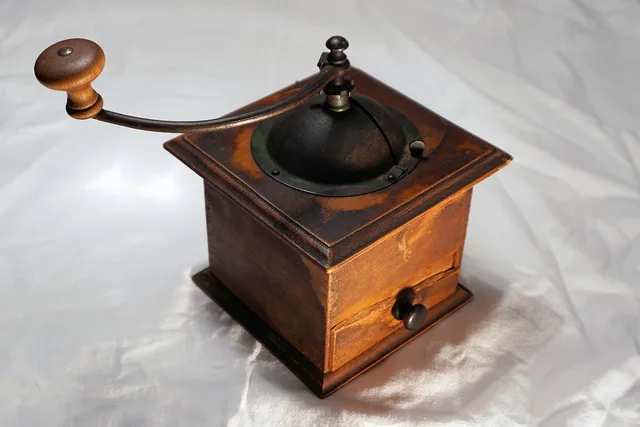
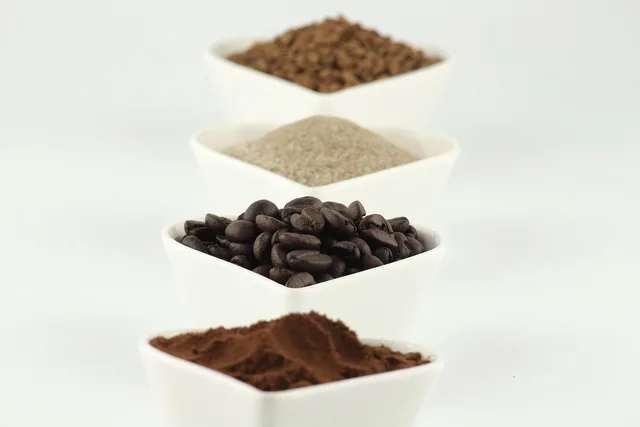
Ground coffee loses aroma within hours and continues to change afterward. Grinding on Sunday for the week is the most common version of this mistake, and pre-ground coffee bought in bulk is the second.
Ground coffee holds its best flavor for roughly 15 to 30 minutes after grinding. Within a few hours the aromatics fade; by the next day most of the difference is gone.
If you must pre-grind, grind slightly coarser, split it into single-brew portions, and seal each one away from light and heat for up to a week. A burr grinder beats a blade grinder for evenness.
Mistake four: brewing stale coffee well
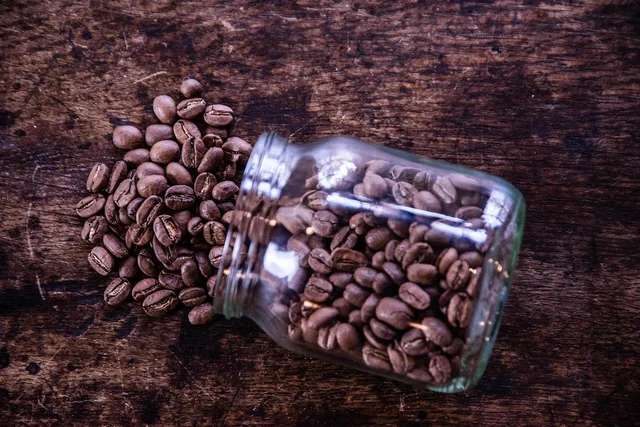
You cannot brew your way out of an old bag. If the coffee does not bloom, if it smells flat when the bag opens, the brewing decisions no longer matter much.
Test the bloom first. Put 15 grams of grounds in a mug, pour about 50 grams of just-off-the-boil water over them and watch for 30 seconds. Fresh coffee swells into a dome of bubbles as it releases carbon dioxide. Grounds that sit flat point to a bag past its best.
Smell is the faster check: squeeze the bag and sniff the one-way valve. Fresh coffee smells sweet and sharp, stale coffee smells of paper or nothing at all.
As a rule of thumb, coffee is best between 4 and 14 days after the roast date, and a bag with no date printed cannot be checked at all. Most bags fade by four to six weeks.
Mistakes that are not worth worrying about
Some warnings circulate without much behind them.
| Common warning | Verdict |
|---|---|
| Water must be exactly 93 C | Overstated. Off the boil is fine |
| Never reboil the kettle | Harmless for one reboil |
| Filters must always be rinsed | Rinse for paper taste, not for chemistry |
| Coffee is dangerous when roasted dark | Overstated at domestic levels |
The last row deserves a note: roasted coffee does contain furan derivatives, and water extracted at least 97.3 percent of the four compounds in the first extraction cycle from ground roasted coffee.
So they do end up in the brew, and they are studied because they are worth monitoring, not because a daily cup is a hazard. No home brewing decision changes them meaningfully.
The order to work through
Taste your water, weigh your dose, grind fresh, check the roast date, and only then adjust grind size for taste. These four checks and one adjustment, in that order, will fix nearly every bad home cup. The ones it does not fix are usually the coffee rather than the technique.
If you want to know which stage went wrong, the brew itself can be read stage by stage.
Common questions
Is distilled water bad for coffee?
Should I use softened water?
How stale is too stale?
Does the brewer material matter?
In this guide
- Home coffee mistakes ranked by what they really wasteA ranked look at home coffee mistakes: over-dosing, ruined single cups and batches, equipment bought for the wrong method, and how long brewed coffee keeps.
- Ultrasound and rapid methods are rewriting old coffee errorsNew brewing technologies aimed at removing the errors that slow coffee down, what they actually achieve, and which of them will reach a home kitchen.
- Five coffee brewing fixes worth trying before you blame the beansCoffee brewing ideas worth trying when a cup goes wrong: practical fixes for a disappointing cup, bypass dilution, adding a paper filter, resting fresh coffee.
- How to Diagnose a Bad Cup of Coffee and Tell Brewing Mistakes from Roast FaultsA home coffee diagnosis guide: four taste categories for under-extraction, over-extraction, stale beans and roast faults, plus a routine to name what went wrong.