Industry
Part of Twelve small coffee bar ideas for a compact kitchen, each with the reason it works
How to judge coffee roasters as a beginner, without a brand list
A plain guide to judging coffee roasters: what to check on their site, what roast method implies, why local freshness matters, and one cheap test before subscribing.
There is no list of brands here. A named list would be a snapshot of what I happened to know, it would age badly, and it would tell you nothing about whether that roaster ships fresh coffee to your address. The method below outlays what a list cannot.
What to take away
- Judge a roaster on what they publish, not on how the bag looks.
- Roast method and roast degree affect cup quality measurably, and medium roast on a drum roaster is a defensible default.
- Local means fresher, which usually beats famous.
- Test any roaster with one bag and one question before subscribing.
What to look for on a roaster's site
- Roast dates published or promised.Roasted to order beats a warehouse.
- Process stated, not just origin.Washed or natural tells you more about the cup than the country.
- A roast level described in words you can act on."Medium, developed for filter" is useful. "Signature roast" is not.
- Small bag sizes available.A roaster confident in freshness sells 250 gram bags.
- Shipping time to you.A roaster three states away can be fresher than one across town with weekly production.
What roasting method implies
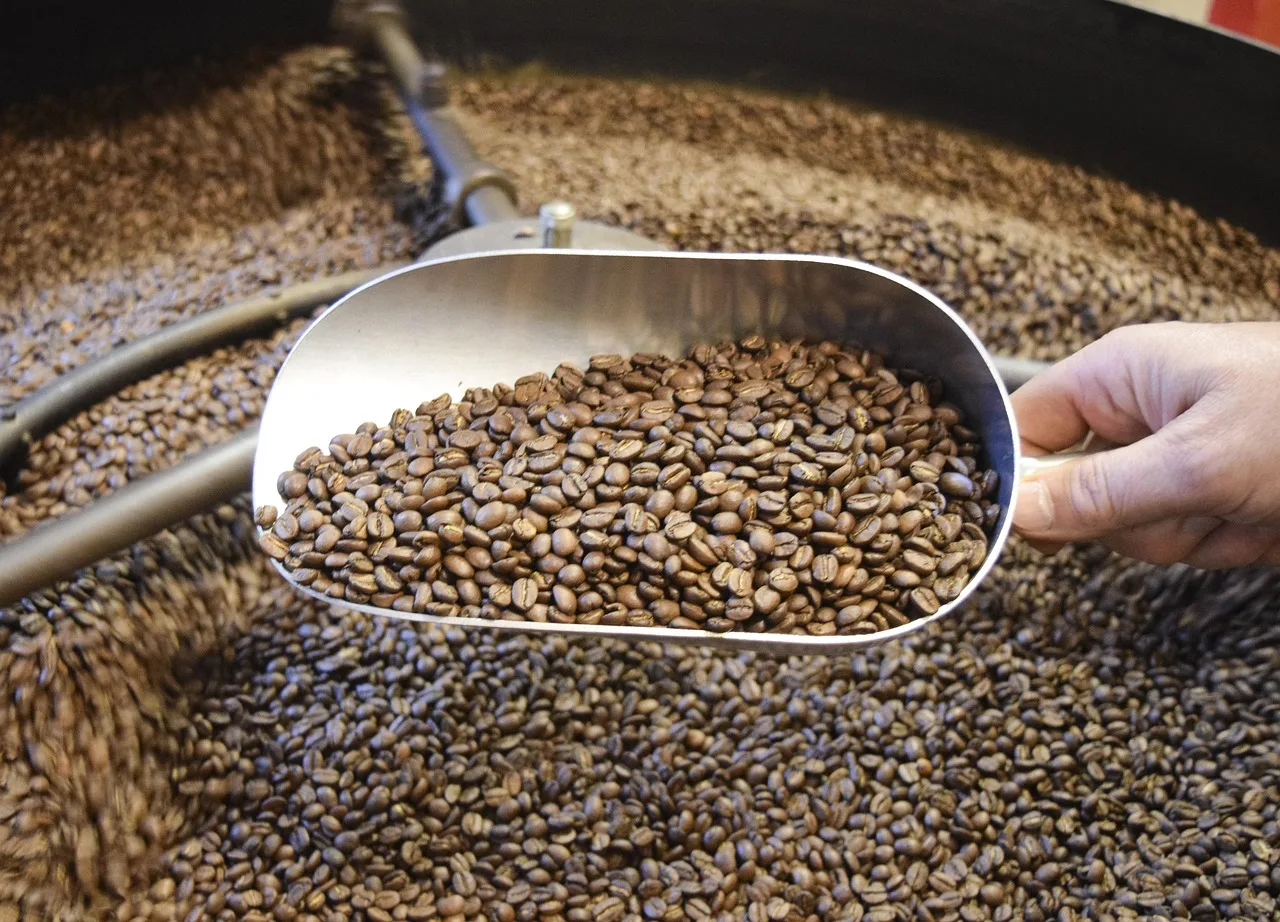
Roast equipment shapes the cup. A study of Ethiopian specialty beans, roasted on drum, fluidized bed and traditional roasters at light, medium and dark degrees, found the drum roaster at medium roast gave the highest cup quality with the lowest acrylamide formation. The traditional roaster produced the lowest average cup scores.
Roaster type vs cup quality
Drum
- Medium roast cup
- Highest
- Acrylamide
- Lowest
- Trigonelline
- Falls as roast darkens
- Chlorogenic acid
- Falls as roast darkens
Fluidized bed
- Medium roast cup
- Middle
- Acrylamide
- Middle
- Trigonelline
- Falls as roast darkens
- Chlorogenic acid
- Falls as roast darkens
Traditional
- Medium roast cup
- Lowest
- Acrylamide
- Higher
- Trigonelline
- Falls as roast darkens
- Chlorogenic acid
- Falls as roast darkens
Trigonelline and chlorogenic acid fell as roast degree increased, lowest in the darkest roasts.
None of this makes drum roasting mandatory. It does mean that a roaster who tells you how they roast is giving you real information, and that a medium roast is a sensible place to start with an unfamiliar roaster. The same test applies to a service, where naming the process beats naming a mountain.
Local is a real advantage
Local food buying has grown steadily. Extension work on communicating about it notes that framing and audience segmentation shape how those purchases are motivated, with consumer values doing much of the work.
That cuts both ways for coffee: the story does marketing work, and freshness does real work. This is the general shape of a coffee trend: a change of habit deserves attention and a required purchase is a product launch.
Buy local because the bag is four days old, not because the label says local. If a local roaster cannot tell you the roast date, the advantage evaporates.
A cheap test for any roaster
A cheap test
| Step | What it tells you |
|---|---|
| Buy one 250 g bag, medium roast | Their baseline competence |
| Check the roast date on arrival | Their logistics |
| Ask one question by email | Whether anyone is home |
| Brew it three mornings running | Whether it is consistent |
The email question is the most revealing and the least used. Ask what process the coffee went through and how they would brew it. A roaster who answers in two sentences with specifics is worth returning to. A roaster who sends a marketing paragraph has told you what you needed to know.
Once a roaster passes, buy from them repeatedly and vary one thing at a time, which is best done as a structured flight. And keep reading the bags, because what a label omits is informative too.