Industry
Part of Home coffee brewing in a compact kitchen: four variables and the order to adjust them
Reading home coffee brewing trends with a cool head
Which shifts in home coffee are grounded in published evidence, which are marketing, and what a home brewer should actually do about each of them.
Trend writing about coffee is mostly guesswork dressed up as reporting. What follows separates shifts with documented causes behind them from this year's packaging, and says what each means for someone brewing at home.
What to take away
- Traceability claims are getting more specific because supply chain structures are being studied, not because buyers demanded prose.
- Specialty production remains a small share of total output, which is why good coffee stays expensive.
- Equipment is moving toward measurement and repeatability, the one direction that reliably improves cups.
- Most flavor trends are roast and process choices being described more ambitiously.
Traceability is becoming a supply chain question
Origin storytelling is easy to write and hard to check. What is changing underneath is that the sector's sustainability and governance structures are being cataloged seriously. A systematic review identified eleven distinct types of sustainability initiative operating in coffee production, and noted that research has concentrated on the economic outcomes of certification schemes rather than their environmental results.
For a buyer the useful reading is narrow. A certification mark tells you a scheme was followed. It does not tell you the coffee is better, and it does not by itself tell you the farm was better off. Treat a mark as information, not a verdict.
Specialty is still a thin slice
Brazil produced roughly a third of the world's coffee in 2022, and only a small portion was specialty. A study of 175 farms in the Brazilian Specialty Coffee Association found production concentrated in Minas Gerais with semidry processing dominant, and named the limiting factor plainly: equipment, certification and traceability all cost money most producers do not have.
That is the structural reason good coffee is not getting cheaper. The bottleneck is not roasting capacity or retail. It is the investment required at origin to produce, sort and document a differentiated lot. Land is the other half of it, since only a narrow band of ground suits specialty lots even where coffee grows well.
What is actually moving in equipment
Three shifts are real and worth acting on.
- Measurement is spreading downward.Scales and refractometry language once confined to professionals now appear in consumer marketing. The scale is genuinely useful. The refractometer mostly is not, at home.
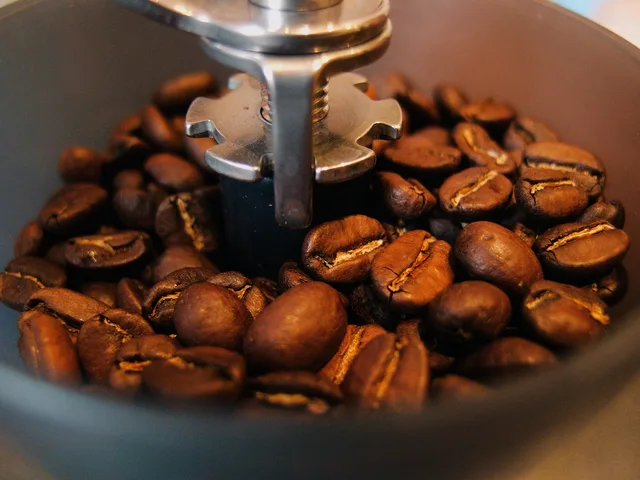
- Single-dose grinding is displacing hoppers.Grinding only what you need cuts stale retained grounds and lets you switch coffees without waste.
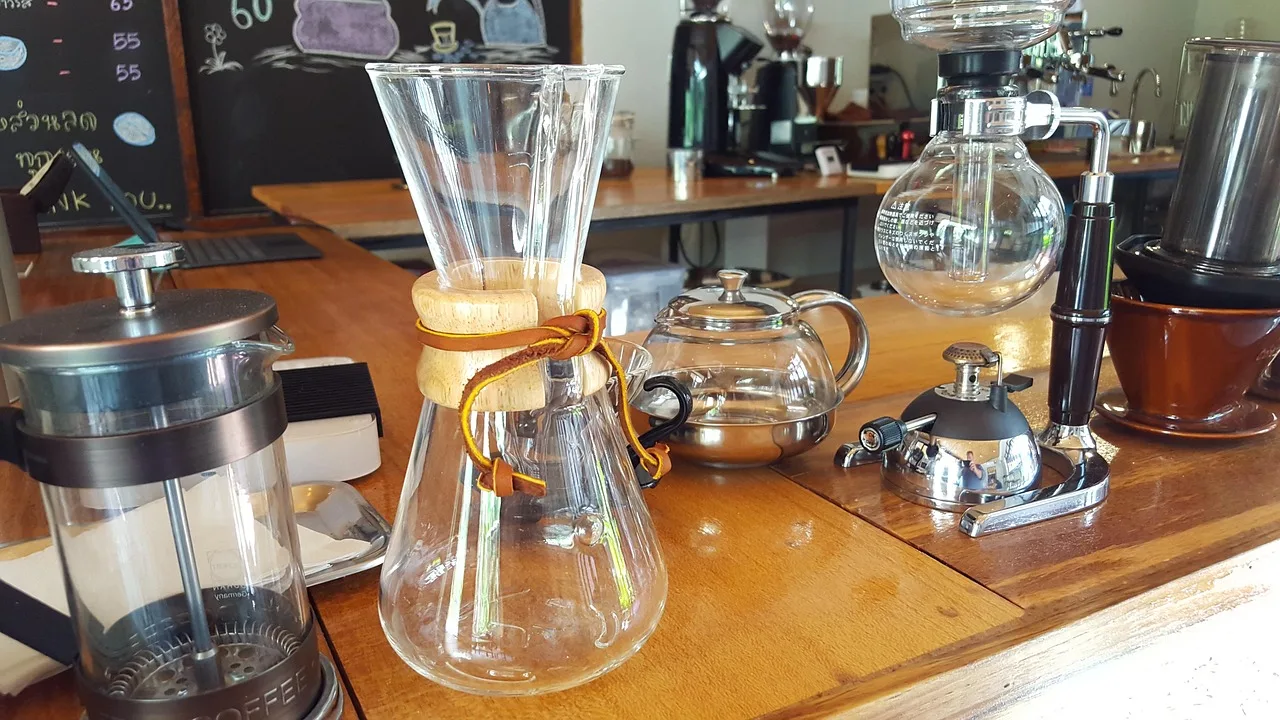
- Manual is holding its ground.Hand grinders and pour over kept their share because they are cheap, quiet and small, which is the whole argument in an apartment.
Flavor language is running ahead of the coffee
Expect more descriptors on bags each year, and most of that is roast level and processing described more ambitiously, not new flavors. The test is whether a word is actionable, which is what separates a roast description from a slogan.
A washed Ethiopian coffee that tasted of citrus in 2019 tastes of citrus now. What changed is that more roasters will say so on the label, and more buyers know what the words mean.
The one shift with substance behind it is well-processed robusta appearing in blends where it would once have been hidden. That is a genuine change in what is available, driven by processing improvements at origin.
What to do about all of it
Very little, in equipment terms. The trends that matter for your cup are ones you already control. Buy closer to roast date, grind fresh, weigh things. If a trend requires a purchase to participate in, it is a product launch. If it requires only a change of habit, it may deserve your attention.
When a bag turns up with unfamiliar claims, read the label rather than the front panel, and settle whether the new thing is better by brewing it against your usual coffee instead of trusting the description.