Industry
Part of Inside pour over: bloom, first pour, and drawdown at each brewing stage
Coffee bag origin stories: how to tell checkable details from staging
How to read coffee bag origin stories: which details name real processing choices, which are atmosphere, and three questions to ask a roaster.
Every specialty bag comes with a story. Some of that story describes decisions that changed the coffee. Some of it is staging designed to change how you feel while drinking it. Both are legitimate; confusing them is not.
What to take away
- Fermentation choices at origin are real, specific, and show up in the cup.
- Imagery of a farm raises perceived premiumness before anyone tastes anything.
- The checkable part of a story is the part naming a method, a duration or a condition.
- Ask what was done, not what it means.
The part of the story that is real
Post-harvest decisions are concrete and measurable. One comparison tested five fermentation approaches for natural dry-processed coffee: air exposure for 24 and 48 hours, sealed carbon dioxide for 24 and 60 hours, and an unfermented control.
Fermentation Approaches Tested
Sealed CO2
- Duration
- 24 and 60 hours
- Sensory result
- Performed better
- Defects
- Free of defects
Ambient Air
- Duration
- 24 and 48 hours
- Sensory result
- Lower than CO2
- Defects
- Free of defects
Control
- Duration
- Unfermented
- Sensory result
- No defects
- Defects
- Free of defects
It found that the carbon dioxide treatments performed better on sensory assessment than the coffees fermented in contact with ambient air. Every process used produced natural coffees free of sensory defects.
That is what a real origin story sounds like: a method, a vessel, a duration, an atmosphere. Any of it can be asked about and any of it can be wrong, which is what makes it information.
The part of the story that works on you
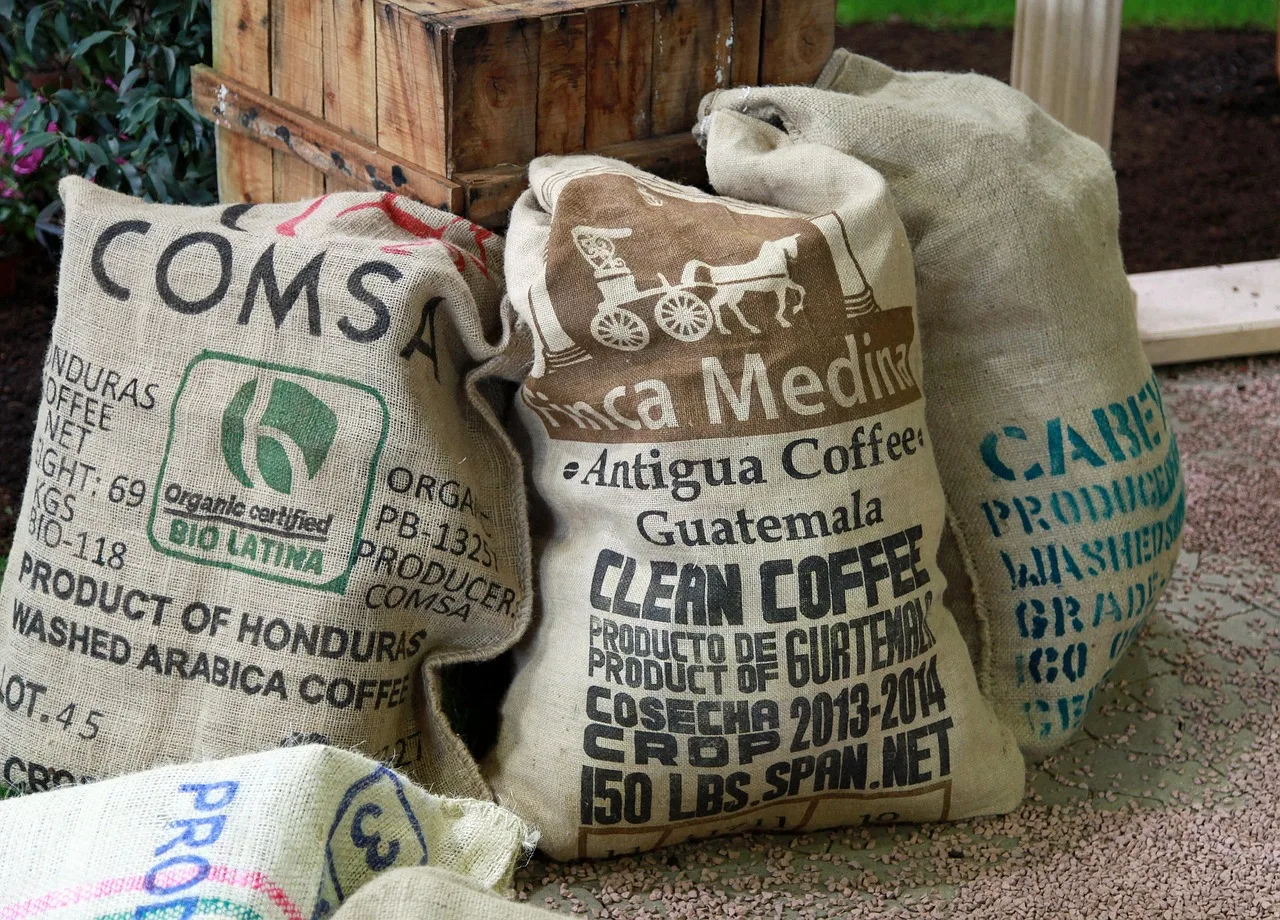
The other half of origin storytelling operates on expectation. Three experiments testing images that evoke coffee terroir found that online images resembling the broad origin of coffee, such as a farm, influenced expectations of premiumness, with a virtual reality environment depicting the same origin producing a comparable effect.
A farm photograph on a bag is doing work. Not deceptive work necessarily, since the farm may be exactly where the coffee came from, but work that happens before the coffee is brewed and independent of how it tastes. It belongs to the same category as a certification mark, which describes a process rather than the cup.
Separating the two
| Statement on a bag | Type |
|---|---|
| "72 hours anaerobic fermentation" | Checkable method |
| "Dried on raised beds for 18 days" | Checkable method |
| "1,900 meters, shade grown" | Checkable condition |
| "A family farm with a passion for quality" | Staging |
| "Grown at the foot of an ancient volcano" | Staging with a factual core |
| "Notes of jasmine and bergamot" | The roaster's palate |
The test is simple. If a sentence could be false in a way somebody could point at, it is information. If it could not, it is atmosphere.
Checkable vs Staging Claims
Checkable
- Fermentation
- 72 hours anaerobic
- Drying
- Raised beds 18 days
- Growing
- 1,900 meters shade
- Tasting
- Jasmine and bergamot
Staging
- Fermentation
- Passion for quality
- Drying
- Ancient volcano
- Growing
- Family farm
- Tasting
- Roaster's palate
What to ask instead
Ask a roaster three questions: How was it processed? How was it dried? How long ago was it roasted? Each has a short factual answer, and none requires a quality claim.
A roaster who answers is worth buying from again, whatever their website looks like. A roaster who cannot answer tells you where their attention sits, which is also useful.
They are the same three a delivery card should carry, and a service supplying only an adjective is not giving you information.
None of this means atmosphere is bad, and a good story makes a bag pleasant to own. Coffee is more than a chemical problem, so keep the two ledgers separate.
Check the story against the cup, not the reverse, which is what a controlled flight is for. The bag usually holds both kinds of claim, and telling them apart is most of label reading.