Industry
Part of Small space coffee gear under review: the good, the weak and the verdict
How to find coffee gear worth owning as a beginner: the useful version
How to choose coffee gear without a brand list: what actually differs between devices, which specifications are noise, and the order to buy things in.
No brands are listed here. A list would age quickly, would reflect what I happened to have seen, and would not tell you whether the thing suits your kitchen. What follows is a method for finding gear worth owning, which does not expire.
What to take away
- Buy in orderscale, grinder, brewer, kettle. That order rarely changes.
- The device changes the drink measurably, so choose for the drink you want.
- Roast level affects the cup more than most equipment upgrades do.
- Spare parts availability is the best single durability signal.
The buying order
- Scale.Cheapest, most useful, changes every cup from the first day.
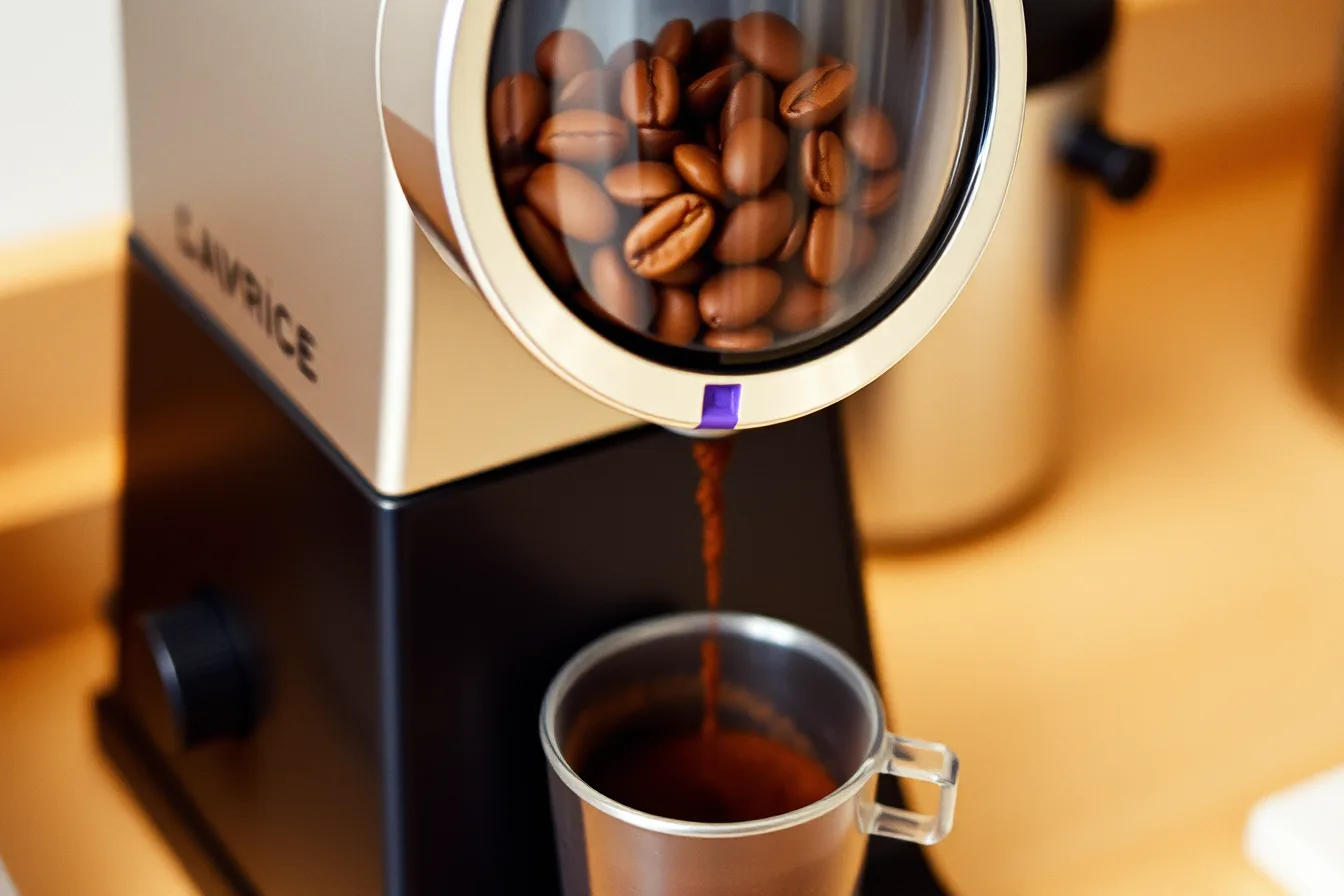
- Grinder.The largest single improvement available, and the one people postpone.
- Brewer.Choose by the drink you want, then by stored size.
- Kettle.Last. Useful, visible, and the least decisive.
Deviating from that order is the most common and most expensive beginner mistake. A gooseneck kettle bought before a grinder improves the look of a process that is still fundamentally uncontrolled, and it will not change a single thing about how the coffee tastes.
The order to buy things in
- Scalecheapest, most useful, changes every cup
- Grinderlargest single improvement available
- Brewerchoose by the drink you want
- Kettlelast, useful but least decisive
Choose the device for the drink
Different devices do measurably different things, so the choice is not aesthetic. Method affects what dissolves and in what proportion, and the evidence for that is consistent across brewing studies.
Device choice changes the drink
Heavier device
- Cup body
- Heavier, oilier
- Beans
- Identical
- Result
- Different drink
Cleaner device
- Cup body
- Clean, bright
- Beans
- Identical
- Result
- Different drink
A device producing a heavier, oilier cup and one producing a clean, bright cup give different drinks from identical beans. Two of them side by side is a flight worth running before you buy either.
Roast is the other large lever. It interacts with everything.
Work coupling size exclusion chromatography to an antioxidant assay found roasting produces highly polymeric melanoidins alongside chlorogenic acids already present in green beans. It was able to quantify separately the contributions of high and low molecular weight compounds to total antioxidant capacity across the roast spectrum.
For a beginner the practical version is simpler than the chemistry. Changing your roast level changes the cup more than upgrading a brewer will, and it costs the price of a bag.
What to check before buying
| Check | How |
|---|---|
| Spares available | Look for a parts page on the maker's site |
| Filters still sold | Search for refills before buying the brewer |
| Stored size | Measure your cupboard, not the counter |
| Cleaning | Can it be taken apart without a tool? |
| Weight when full | Lift something similar first |
Materials matter for durability, not flavor. Extension guidance on containers is a useful sanity check on marketing language. Suitability is about what a material may safely hold.
A container that once held a toxic substance should never be reused because traces remain in its pores. Repurposing jars and bottles for coffee is fine when their history is known, not otherwise.
Where to buy
Buy where you can handle the item and where they stock its consumables. A shop selling a brewer but no filters tells you how much support it intends to give. A shop that lets you turn a grinder's adjustment collar before paying is worth returning to.
What a counter carries depends on supplier relationships, where delivery rhythm and equipment loans decide more than taste does.
The rest of the decision is what the label does and does not disclose, and whether the thing earns a permanent slot in a kitchen with a fixed number of them.