Reviews
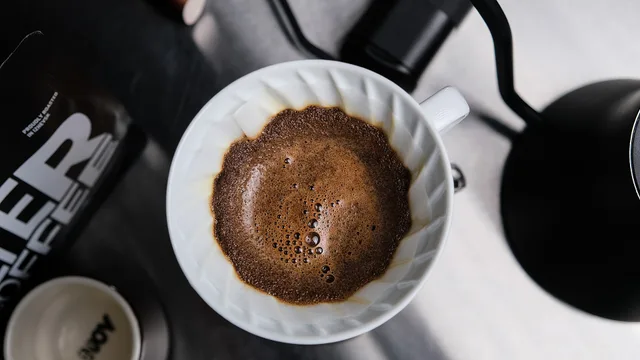
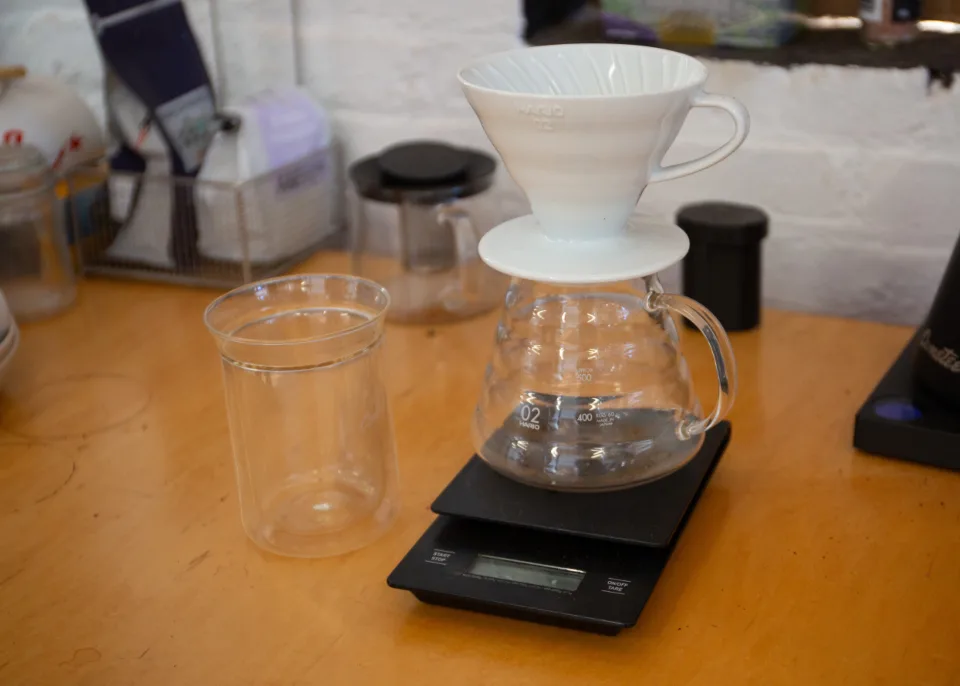
Part of Inside pour over: bloom, first pour, and drawdown at each brewing stage
How to Read Origin and Process on a Pour Over Subscription
Pour over methods reviews are outside this guide; learn to read origin, processing, and drying details on a coffee subscription card.
Pour over methods make differences between coffees easier to notice, so a subscription card can help you track what changes. A box can rotate origins, post-harvest processing, or both; the linked research suggests origin has a stronger effect on volatile profiles than processing does.
What to take away
- A box can rotate origins, rotate processing on one origin, or change both.
- Variety across origins is the strongest reason to subscribe for pour over specifically.
- Origin leaves a stronger signature on a coffee than post-harvest processing does.
- Post-harvest stage information is real and specific, so a card that supplies it is giving you something.
- A card that offers only an adjective tells you nothing you can check.
Two things a box can rotate
A subscription rotates where the coffee grew, how it was processed after harvest, or both. The two are not equal, and the axis you pay for decides how much variation arrives. Pour over makes that visible, because it exposes differences between coffees that milk-based drinks flatten.
If you brew filter every morning, a box that rotates origins is doing something you cannot easily do for yourself without buying five bags and letting four go stale. How a brew extracts at each stage then decides what reaches the cup.
Origin vs Process Impact
Origin
- Volatile profile impact
- Stronger
- Subscription variation
- More
- What to expect
- Rotating origins
Post-harvest process
- Volatile profile impact
- Weaker
- Subscription variation
- Less
- What to expect
- Rotating methods
What the 46-lot research found
The linked study (PMCID: PMC9914344) examined 46 lots of specialty arabica, both green and at three roast levels.
Features from the origin and post-harvest process were preserved into the roasted coffee, acting as precursors in later reactions. origin had a stronger impact on the volatile profile than the post-harvesting process.
That ranks the two things subscriptions advertise. A service rotating origins is offering more variation than one rotating processing methods on a single origin. Expect the list of origins to keep moving anyway, because the land that suits coffee is shifting.
Which axis is moving in your box
Compare the card with what the box says it rotates. The table lists what each axis should show on the card and what the research supports.
| Box rotates | The card should name | What the research supports |
|---|---|---|
| Origins | Where the coffee grew | Origin has the stronger impact on the volatile profile |
| Processing on one origin | Process and drying method | A real but smaller effect than origin |
| Both | Origin, process and drying | Ask which axis changes between deliveries |
Some roasters build a whole origin story around a place. Check that the card still says how the coffee was processed, because origin alone does not tell you that.
What good process information looks like
A review traces volatile biomarkers through coffee's post-harvest stages, describing aldehydes, furans and lactones reflecting ripeness at harvest.
It also covers alcohols, acids and esters from yeast and bacterial metabolism during pulping and fermentation, and aldehydes from lipid oxidation appearing during drying. The review warns against treating any single compound as a stage marker without accounting for process conditions.
A subscription that tells you the process, the drying method and the altitude is handing you information with real content behind it. One that supplies an adjective is not.
Worked example: reading a card
Imagine an illustrative card that says “Ethiopia | washed | raised-bed dried.” Ethiopia names the country of origin, washed is the process label, and raised-bed dried gives a drying detail. A card might name another origin, such as Colombia, but these details alone do not tell you exactly how the coffee will taste.
Other process labels include natural and honey. In common usage, natural coffee dries in the fruit, while honey processing dries coffee with some mucilage left on; honey does not mean honey is added. If a card says only “honey,” ask for more detail rather than treating it as a flavor note.
Using the bags to learn
Pour over is a black coffee method, which makes how much you drink a pointed question. Order enough to finish a bag in two weeks. Most people over-order and drink the last third stale, and a stale bag teaches you nothing about origin or process.
Keep the cards. Write your own note on each one after brewing, and after three months you will have a small personal record of what you actually like, sorted by origin and process. That record is about your palate rather than the roaster's.
It also turns each delivery into a comparison rather than a sequence of unconnected mornings. And it teaches you to read a card critically, which is a skill that transfers to every bag you buy.
Judge after three deliveries, not one. A general way to weigh roast dates, quantity and cancelling is covered in judging a coffee subscription.
Before you pick a box
- Find out whether the box rotates origins, processing or both.
- Check that each card names process and drying, not only origin.
- Choose the roaster's selection at first, to meet coffees you would not have picked.
- Write a note on every card after brewing.
Common questions
Which should rotate for pour over, origins or processing?
Origins. Origin had a stronger impact on the volatile profile than the post-harvesting process, so a service rotating origins offers more variation than one rotating processing methods on a single origin.
Should I choose the roaster's choice or pick myself?
Their choice, at first. The point is exposure to coffees you would not have picked.
Are single-origin subscriptions better than blends?
The evidence here doesn't establish that single-origin subscriptions are better than blends. It compares origin and processing effects, so check what the subscription says changes between deliveries.