Industry
Part of Planning a coffee station starts with the sequence, not the shelf
How a coffee station stand is built, and how to judge one
What small workshops actually do to make coffee station stands and trays, why wood moisture governs the result, and how to judge a piece before buying.
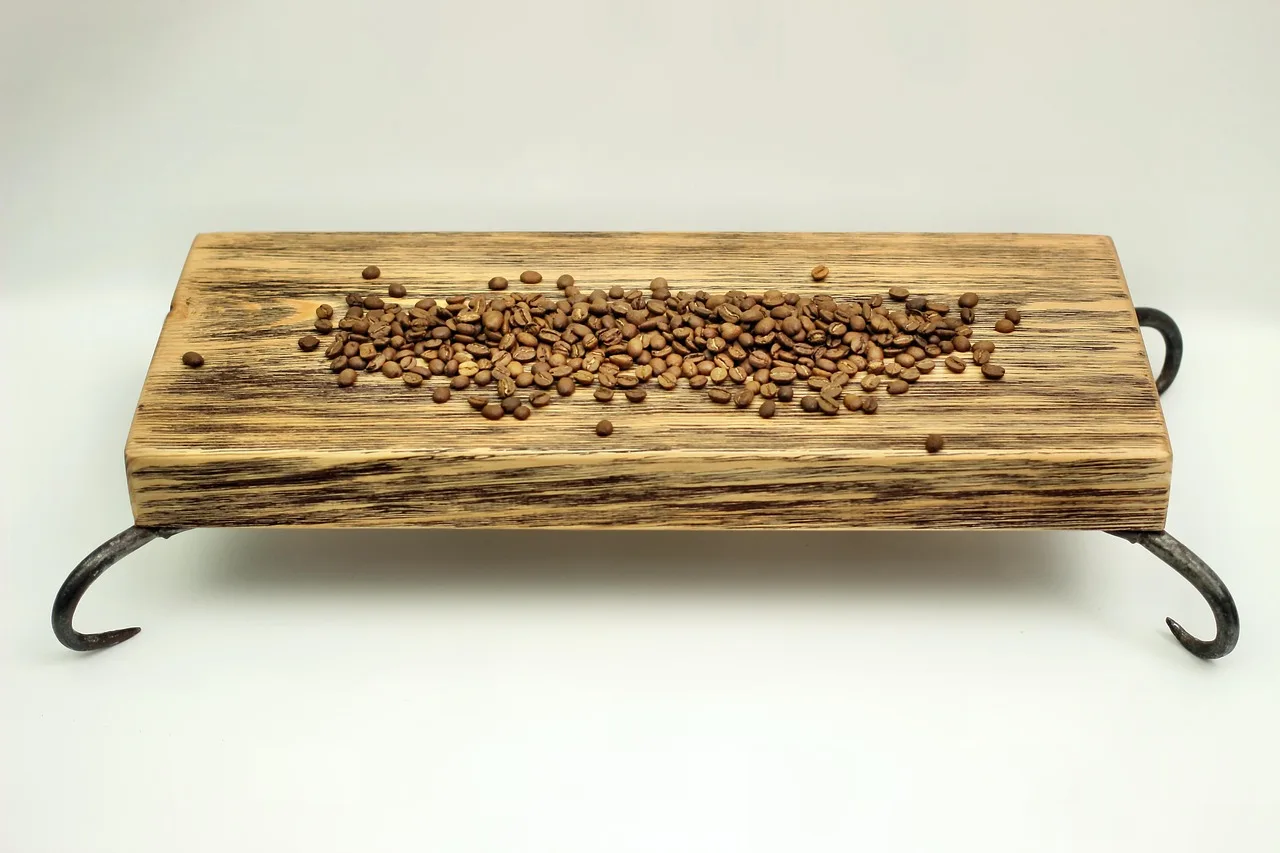
The stands, trays and shelves that hold a home coffee station mostly come from small workshops rather than factories. Knowing how coffee stations makers work, from the log to the last coat of finish, tells you which questions are worth asking and which reassurances are meaningless. It also keeps the purchase in proportion, since a plain tray does most of the work in a small kitchen whoever built it.
What to take away
- Drying is the step that decides whether a wooden piece stays flat, and it is the step buyers never ask about.
- Small makers compete on the story of the material, which is a real value and not a quality guarantee.
- A finish is a maintenance schedule, not a permanent property.
- Judge joinery and end grain, because those show whether the maker planned for movement.
The material comes from somewhere specific
A growing share of small furniture work uses urban wood: trees removed from streets, parks and yards, not harvested from managed forest.
The sector grew from a practical problem. When the emerald ash borer forced cities to fell enormous numbers of trees, the wood had to go somewhere. Small businesses formed to convert it into value-added products rather than mulch.
That is a good story and also a real constraint. Urban logs vary wildly. They contain nails, they were never graded, and they arrive in ones and twos. A maker working this way sorts more and wastes more than a shop buying kiln-dried lumber by the pallet, and every board needs checking before it is cut.
Drying is the whole game
Wood moves as it gains and loses moisture, and a coffee station lives next to a kettle in a humid corner of a kitchen. Whether a tray cups or a shelf twists is decided long before assembly, in drying.
Air Drying vs Kiln Drying
Air drying
- Speed
- Slow
- Cost
- Cheap
- Control
- Limited
- Shop fit
- Common
Kiln drying
- Speed
- Fast
- Cost
- Costly
- Control
- Controllable
- Shop fit
- Rare
Custom and live-edge furnishings have grown quickly, supplied by small businesses that often work out their drying practice as they go. Air drying is slow and cheap. Kiln drying is fast and controllable, and costs money most one-person shops do not have on site.
So the useful question to a maker is not only what species it is. It is how the stock was dried, whether its moisture content was checked with a meter before milling, and whether the boards sat in the shop to settle before they were cut.
What a small shop actually does
- Sources and sorts logs or rough lumber, discarding more than a factory would.
- Dries stock in a shed, a kiln, or by buying it already dried.
- Mills flat and square, where warped stock gets rejected.
- Cuts joinery, allowing for seasonal movement across the grain.
- Sands, then finishes in several thin coats with cure time between.
- Lets the finish cure, which takes days.
The step that gets skipped under deadline pressure is the last one. A piece shipped before the finish has cured will smell, mark under a hot kettle, and take a fingerprint.
What a Small Shop Does
- Source and sort logs or rough lumber
- Dry stock in shed or kiln
- Mill flat and square, reject warped
- Cut joinery for seasonal movement
- Sand and finish in thin coats
- Let finish cure for days
Judging a piece before you buy
Look at the end grain of a solid wood top. Rings running steeply across the thickness resist cupping better than rings running flat. Check whether a wide panel is fixed rigidly at both ends, which fights seasonal movement and loses. A top held down with wooden buttons or figure-8 fasteners, or a breadboard end pinned through slotted holes, has been built to move. Ask when it was finished. Run a hand under the edges, where rushed sanding shows first.
For a station, ask if the finish tolerates standing water and heat, since both arrive daily. Penetrating oil finishes such as tung oil, linseed oil or hardwax oil are repairable but need reapplication, while film finishes such as varnish, polyurethane or lacquer resist water better and are harder to fix. Neither is correct; they are different maintenance schedules.
Commercial counters answer with surfaces specified in a health department plan review, a constraint a kitchen escapes and a standard worth borrowing.
What none of this tells you
A well made stand does not improve your coffee. It makes the station pleasant and durable, a legitimate reason to buy one, and worth being clear about. If the budget is finite, the components that touch the coffee earn their money first, and the arrangement matters more than the object, which is a planning question, not a purchase.